Bigger Dreams
A road trip to drop my niece at school became a strategy session. Exeter, a farm in Massachusetts, a vineyard in Connecticut, and Hercules. Sovereign Soil and the Twelve Labors.
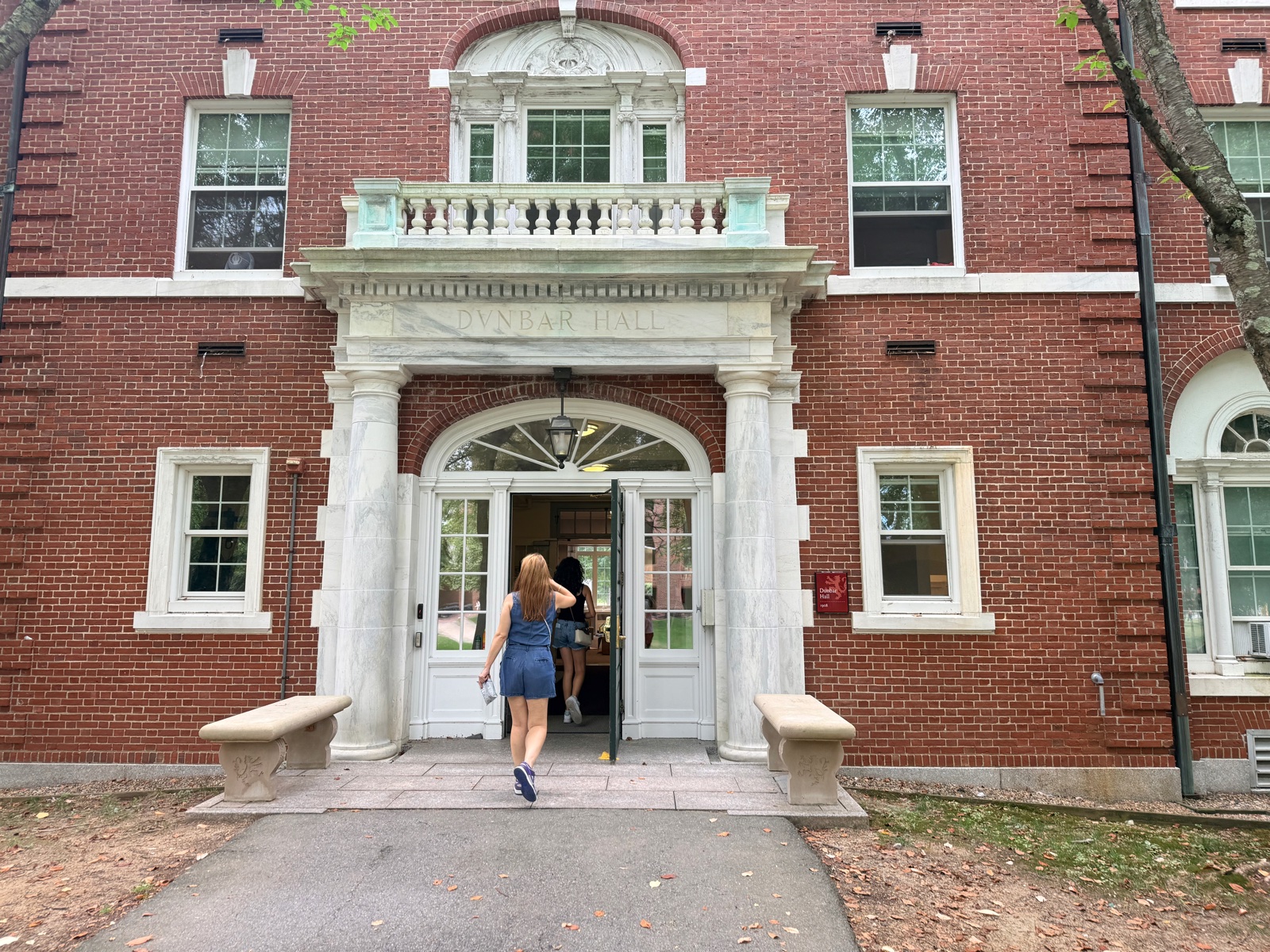
Over Labor Day weekend, I drove my niece to Phillips Exeter Academy.
Six hours there. Six hours back.
Jersey to Harlem, then through the states until we finally arrived in Exeter, New Hampshire.
I expected to drop my niece off at school. I did not expect Exeter to change the way I thought about Sovereign Soil.
There is something different about the place. The academy does not simply sit inside the town. Its presence feels woven into it. Students, buildings, businesses, traditions, streets, history. It feels like the school and the community grew together.
Standing there, something clicked.
For a while now, I have imagined Sovereign Soil as more than agriculture. I have wanted to combine farming with education, to create a place where people do not just grow food, but knowledge, skills, businesses, and opportunity.
But Exeter made me ask a bigger question.
What if we added a third piece?
Agriculture.
Education.
And community.
Not just a farm with a school attached to it. A place. A town. A community substantial enough that one day you could type a different ZIP code after its name.
And almost on cue, J. Cole came through the speakers with a line I could not ignore:
“I got bigger dreams.”
Funny how life does that sometimes.
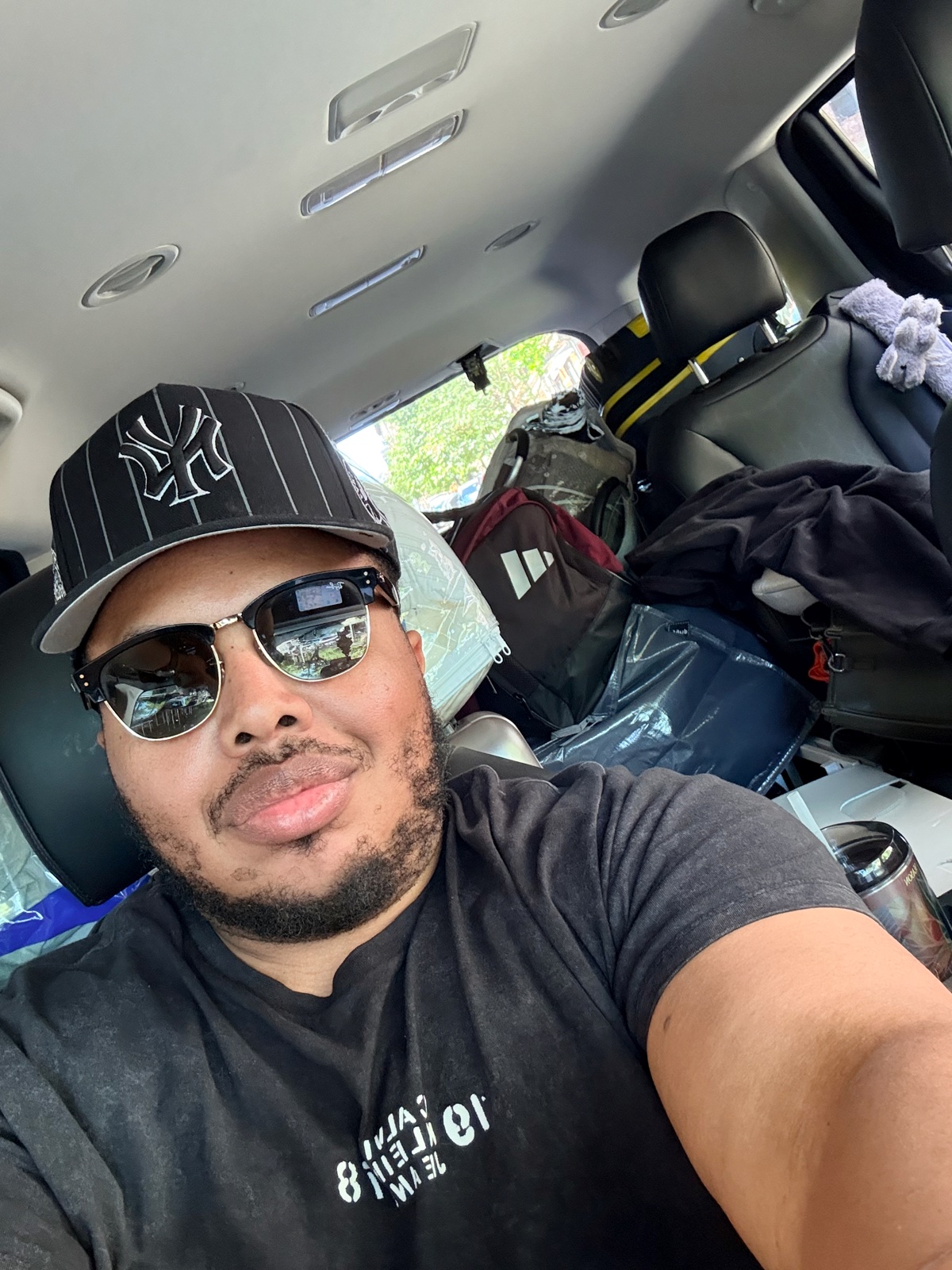
I have always been a dreamer
I have always dreamed big.
And when I look backward through the strange benefit of time, I have realized something about myself: a lot of the things I dreamed about eventually happened.
The dreams that have not happened are not necessarily failures. Sometimes I simply have not reached that part of the story yet.
That thought made me think about Hercules.
Most people know Hercules for his Twelve Labors, but the familiar story begins with ten. After tragedy, he was ordered to serve King Eurystheus and complete ten seemingly impossible tasks. Two were later refused credit, the Hydra because he had help and the Augean Stables because payment was involved, so ten became twelve.
Imagine that.
You complete what you believe is your assignment only to discover that you are not finished.
There are two more labors waiting.
And Hercules went back to work.
That is the part that stayed with me.
He did not finish his Twelve Labors in a day. Neither will I.
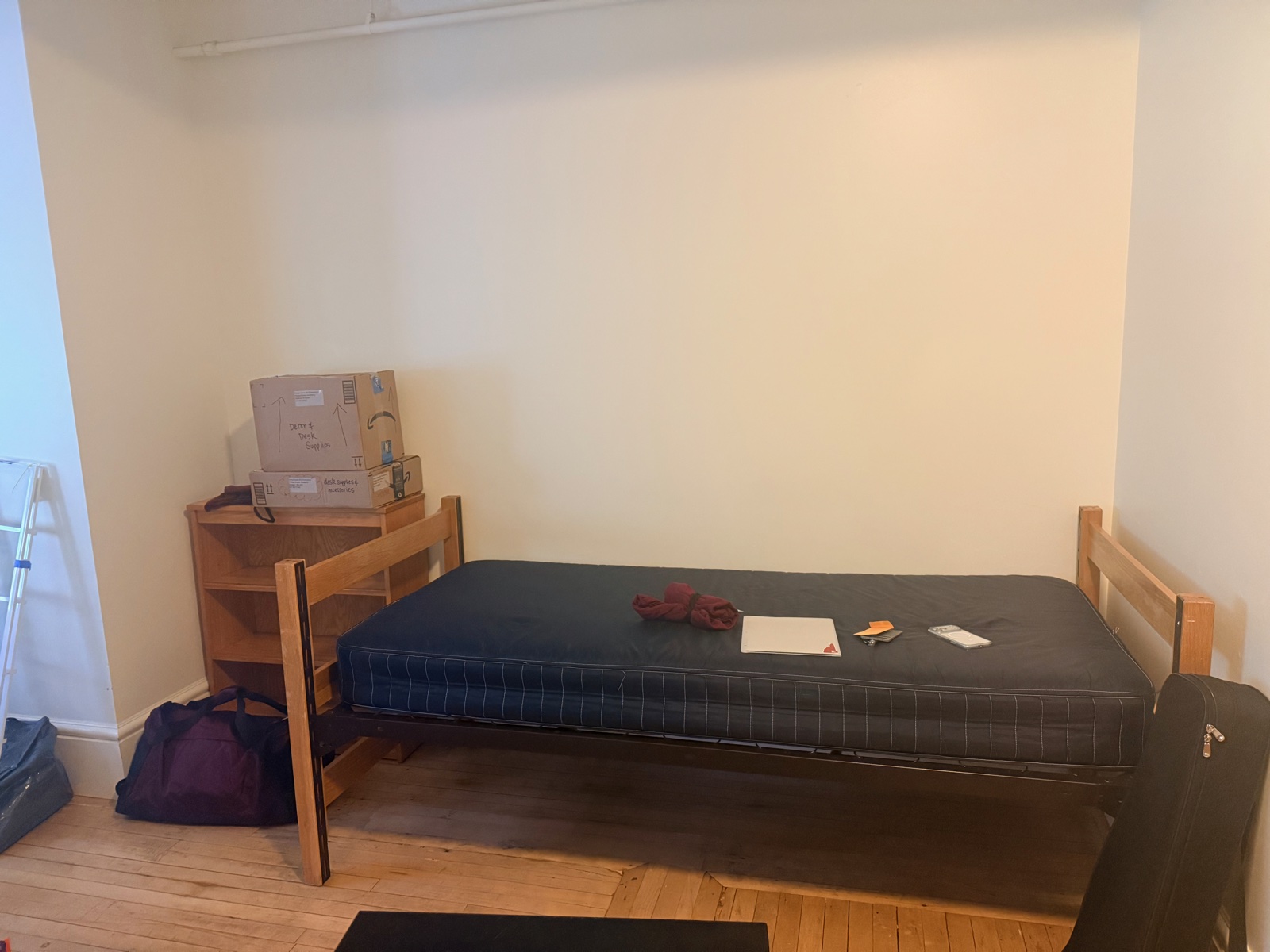
The next labor
On the way home from Exeter, I could not drive through all that farmland without stopping.
When I finally hit land, pun absolutely intended, I wanted to see what other people had built with theirs.
Our first stop was Kimball Farm in Westford, Massachusetts.
And Kimball messed me up.
Because it challenged another assumption I had about what a “farm” has to be.
The Westford property began as a dairy barn in 1908, when the Kimball family sold milk wholesale. In 1939, the family converted a woodshed into an ice cream parlor. Today, Kimball describes its Westford location as “50 acres of fun,” with mini golf, a driving range, pitch-and-putt, batting cages, bumper boats, bumper cars, a zipline, arcade, animal experiences, pony rides, caricatures, a summer music series, homemade ice cream, a Country Store and Cafe, the Outback Tap Shack, and a Grill and Seafood Shack.
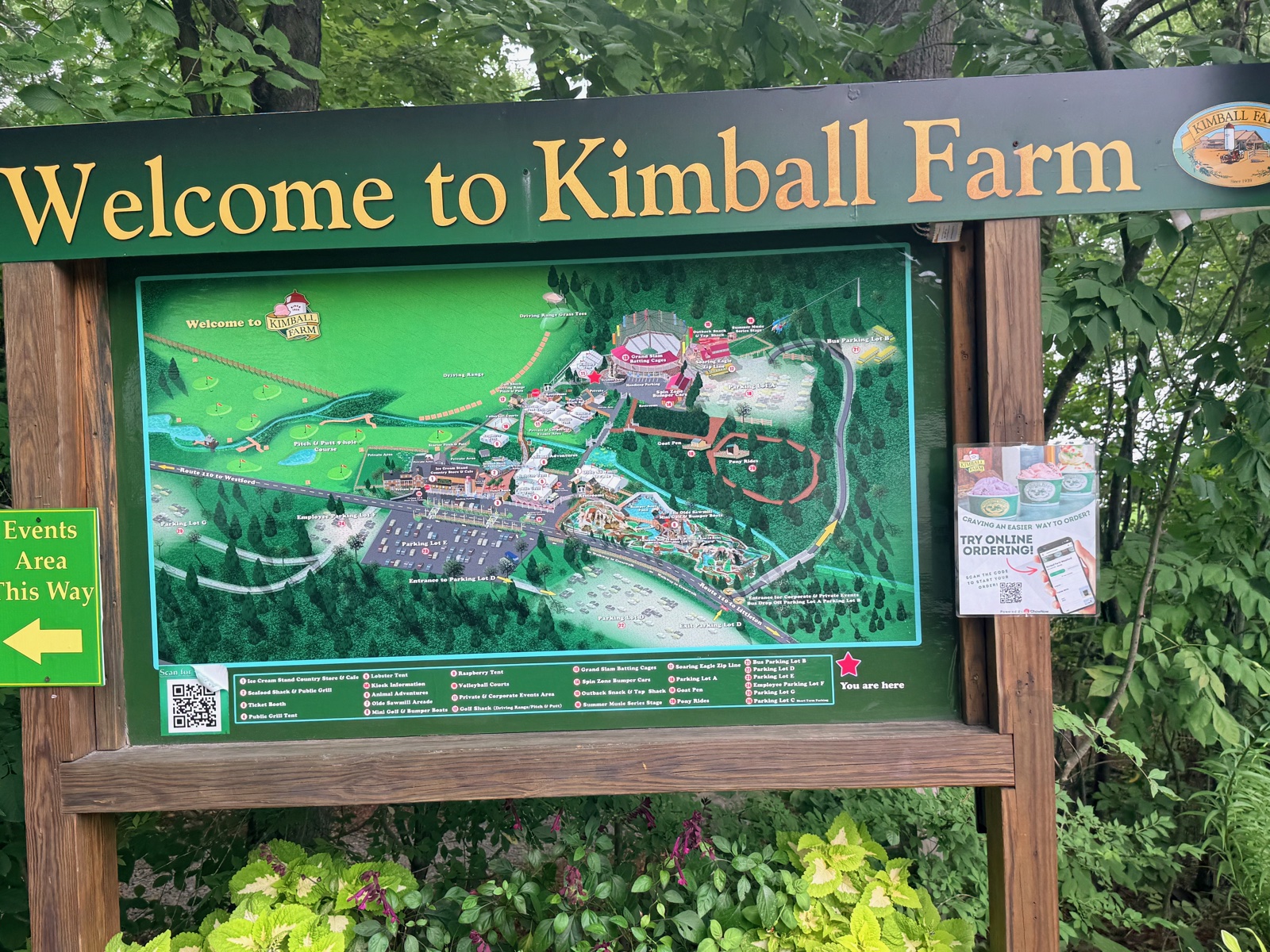
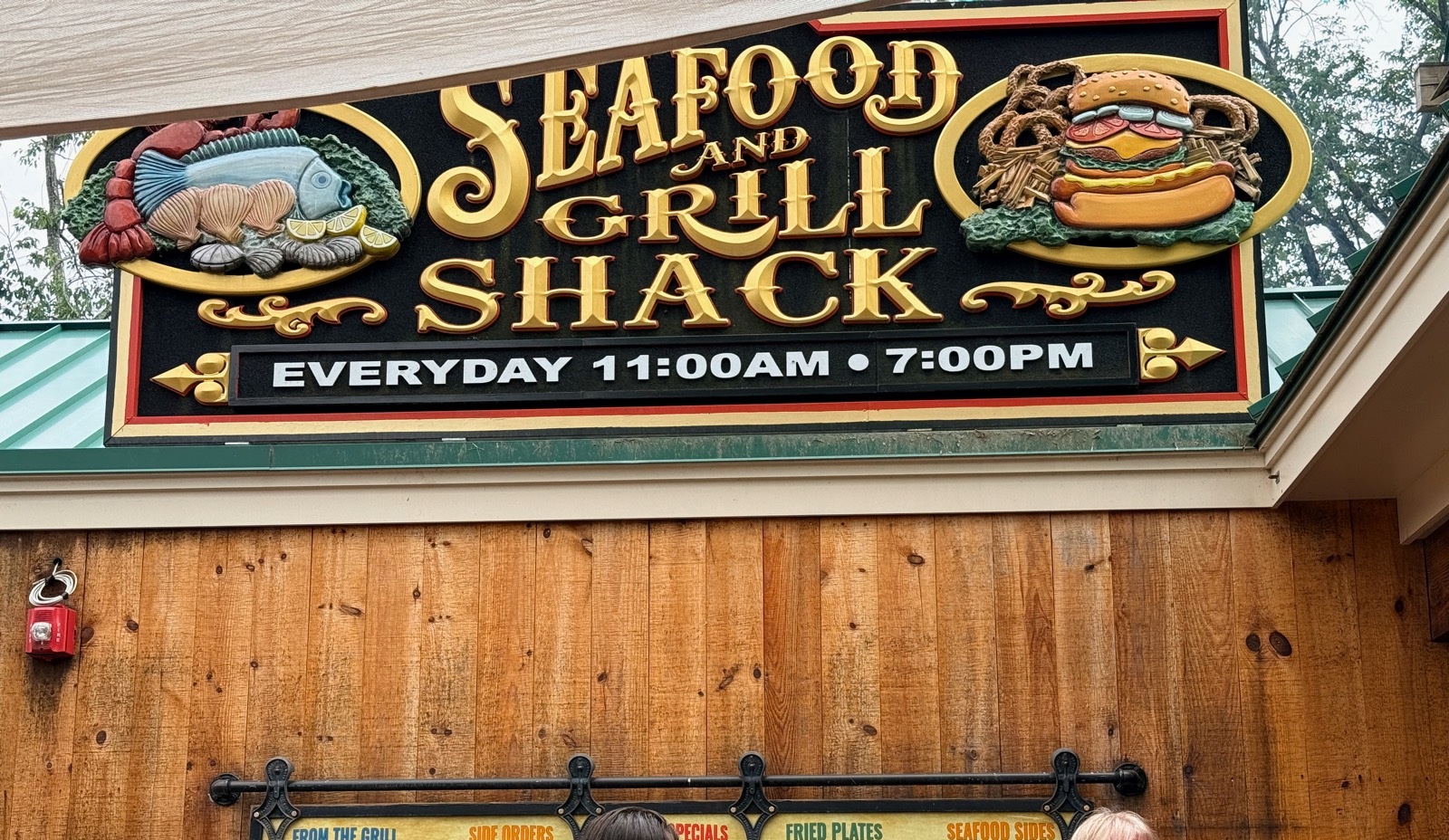
And about that seafood shack.
I ordered the Captain’s seafood platter.
Listen.
That may have been the best seafood platter I have ever had in my life. So damn fresh.
But while I was eating, my brain would not stop working.
Because Kimball taught me something.
They were not just selling a product. They were selling a reason to come.
That is different.
A family might arrive because the kids want bumper boats. Someone else comes for golf. Another person wants a beer. Another wants seafood. Somebody wants ice cream. A company may book an outing. Parents create memories with their children.
And all of those paths lead back to the same property.
That matters for Sovereign Soil.
Because I have spent a lot of time thinking about what we would grow. Maybe I need to spend just as much time thinking about why people would come.
From a farm to a destination
That is when another piece of Sovereign Soil started taking shape in my head.
Maybe farming is the foundation without being the limitation.
People could come for food. But they could also come for education. For festivals. Farm-to-table dinners. Children’s programs. Culinary experiences. Agritourism. Recreation. Music. Entrepreneurship. Markets. Weddings. Retreats. Community.
For the simple pleasure of sitting somewhere beautiful and feeling like you belong there.
Kimball demonstrated something incredibly valuable:
Land can produce more than crops.
Land can produce experiences. Land can produce memories. Land can produce employment. Land can produce culture. Land can produce an economy.
And eventually, perhaps, land can produce a community.
Suddenly my dream had not gotten smaller. It had gotten considerably bigger. Again.
Then came Tranquillity
We got back in the car and drove another 130 miles.
Next stop: Tranquillity Vineyard and Winery in Middlebury, Connecticut.
Even the name felt appropriate.
The vineyard sits on the remaining roughly 45 acres of the original 300 acre historic Tranquillity Farm estate along Lake Quassapaug. The current owners describe their role as stewardship, preserving and repurposing the property for future generations while operating the vineyard and winery.
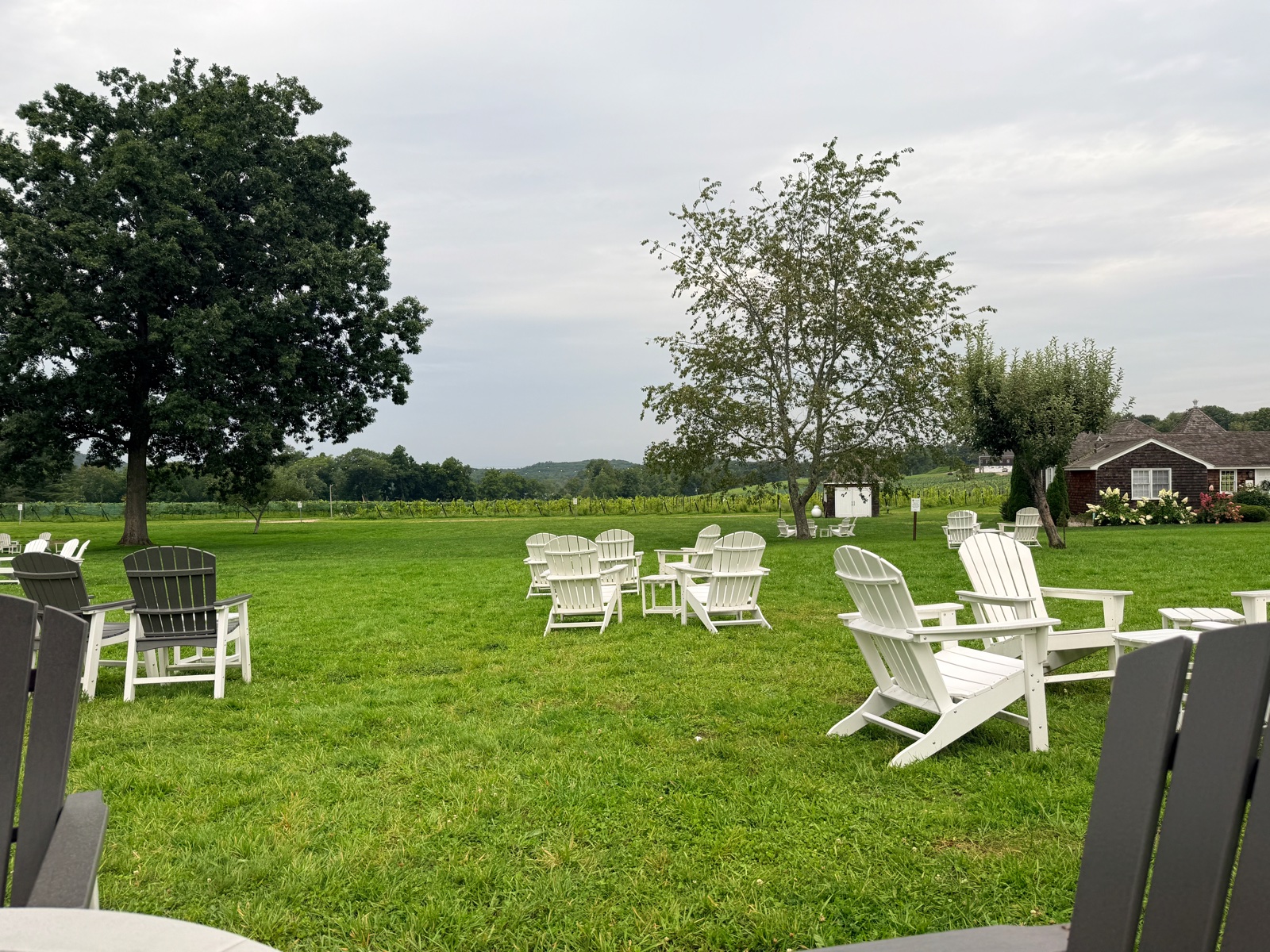
There we were.
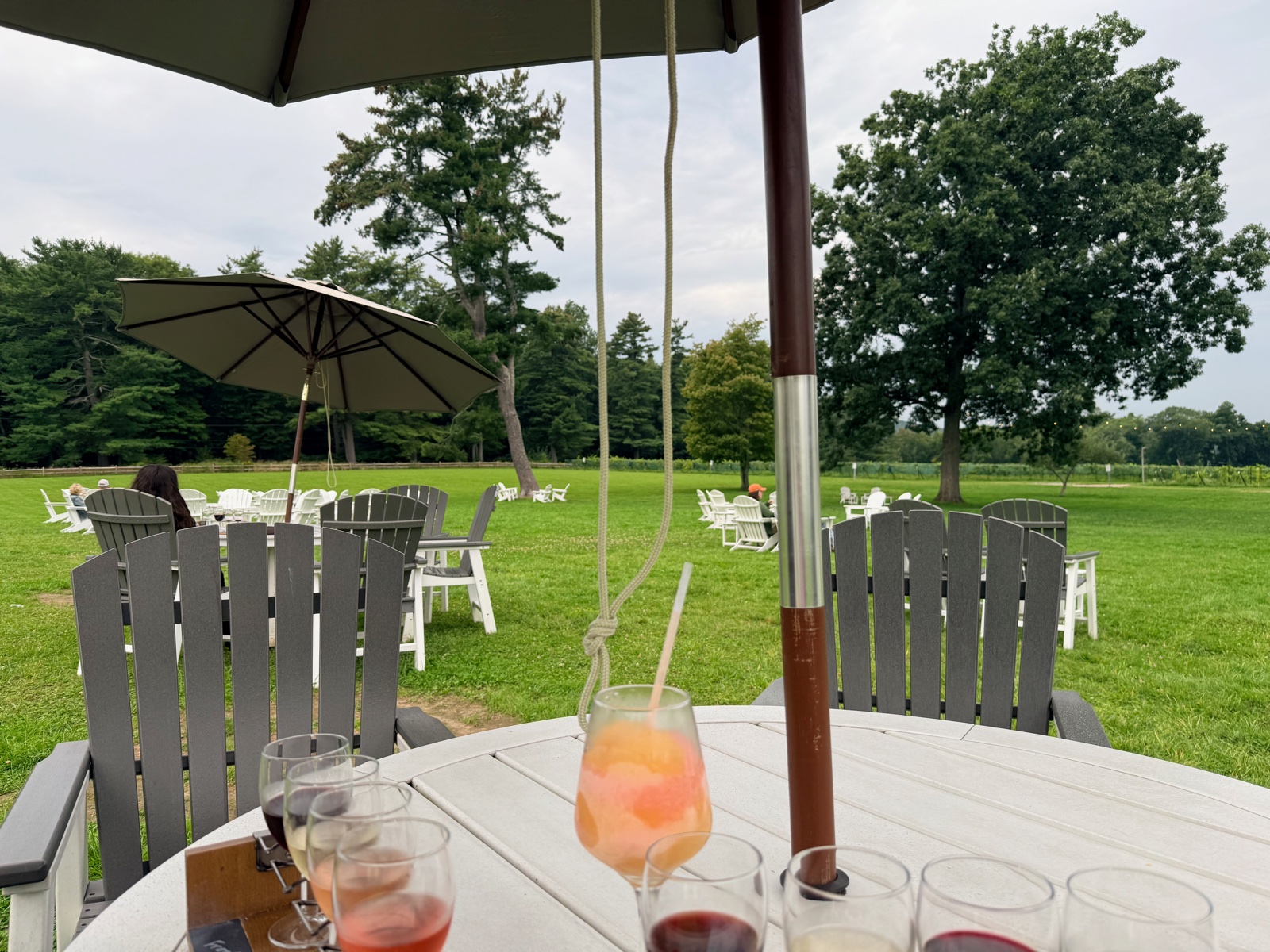
Wine tasting. A couple of bottles. Looking out across the vineyard.
And somewhere between the road, the wine, and the view, the business questions stopped.
A different question showed up.
Why?
Why do I want this so badly?
That is a harder question than what to grow per acre.
It is harder than revenue projections. Harder than land acquisition. Harder than grants, infrastructure, staffing, or business plans.
Why am I choosing something this difficult?
Because, truthfully, there are easier ways for me to make money. There are ways to build wealth that do not involve dirt underneath my fingernails. They do not involve weather. Animals. Equipment breaking. Crop failures. Payroll. Backs hurting. Early mornings. Late nights. And land that does not particularly care what your five year strategic plan says.
Yet somehow I am deliberately dreaming about what amounts to back-breaking, self-inflicted labor on behalf of people who may never know me.
But I know them.
Because I come from the same desert.
My own labors
That is when Hercules came back into my thoughts.
His Labors were about more than monsters.
His story begins in tragedy. He cannot undo what happened. The path that follows is one of burden, service, struggle, and transformation.
That is important to me because redemption does not mean pretending the past did not happen. It means deciding what happens because you survived it.
I am a product of my environment.
There were things around me growing up that should not have been normal but were. There were decisions I made because certain paths were readily available. There were things I participated in that I understand differently today than I did then.
I am not going to manufacture some dramatic confession here.
I did not murder my family, y’all. This ain’t Greek mythology.
But if I am being accountable, I can acknowledge that there were probably moments when my actions contributed to things in a community that already had enough working against it.
Maybe some part of me has been trying to reconcile that for years.
Maybe that is part of my labor. Not punishment. Purpose.
Finding me again
Somewhere along the way, the dreams I had when I was younger got displaced.
Not necessarily abandoned. Just buried beneath survival. Responsibilities. Career. Family. Bills. Promotions. Credentials. Life.
You get busy becoming who the world requires you to be and one day realize you have not checked on the person you originally planned to become.
Agriculture has been doing something strange to me.
I am finding him again.
Except now he has experience. Resources. Education. Relationships. Perspective. And scars.
Maybe those years were not a detour. Maybe they were training.
Hercules did not begin his Labors knowing everything he would need. The strongest man alive eventually discovered that brute strength could not solve every problem.
Sometimes he needed patience. Sometimes restraint. Sometimes intelligence. Sometimes help. Sometimes humility.
And sometimes he completed the assignment only to be told:
You’re not done yet.
I understand that now.
Protect the dream
Sitting at Tranquillity, I finally found the beginning of an answer to my why.
I do not want another kid’s dream to disappear simply because of the ZIP code they were born into.
I do not want brilliance buried underneath survival.
I do not want entrepreneurship to die because somebody never had access to capital.
I do not want a child who could become an agricultural scientist, veterinarian, engineer, chef, farmer, attorney, physician, carpenter, or entrepreneur to never discover that ability because nobody put the opportunity in front of them.
And inspirational speeches are not enough.
“Believe in yourself” is not infrastructure.
Motivation is not ownership. Hope without opportunity eventually becomes frustration.
If we really want to protect dreams, then people need sustainable, tangible, meaningful empowerment.
Land. Education. Food. Skills. Businesses. Housing. Ownership. Community. Capital. Opportunity.
A place where all of those things reinforce one another.
That is what Sovereign Soil is becoming in my mind.
Not charity.
Not another program that disappears when the grant runs out.
An ecosystem.
Maybe the farm was never the whole dream
Exeter showed me what happens when education becomes part of the identity of a place.
Kimball showed me that agricultural heritage can evolve into an economic and recreational destination with multiple reasons for people to visit.
Tranquillity showed me what stewardship can look like when a property’s history becomes part of its future.
And all three made me ask something I had not seriously considered before:
What if Sovereign Soil eventually became a community itself?
A farm.
An educational institution.
Businesses.
Housing.
Recreation.
Food.
Culture.
Maybe one day a town.
Maybe one day its own ZIP code.
That sounds ridiculous today.
Good. Most sufficiently large dreams do.
One more stop
Eventually we got back into the car.
And I will admit it. For a minute, I got sad.
All these ideas were firing and I could not do any of them right now.
No giant property. No Sovereign Soil campus. No academy. No town.
Just me sitting in the car with a dream considerably larger than the one I had left New Jersey with.
I did not want to sit in that feeling anymore.
So I asked myself one of humanity’s most consequential philosophical questions:
What makes people happy?
Ice cream.
Obviously.
“Siri, add a stop.”
Applegate Farm. Upper Montclair.
Cherry vanilla. Grape Nut.
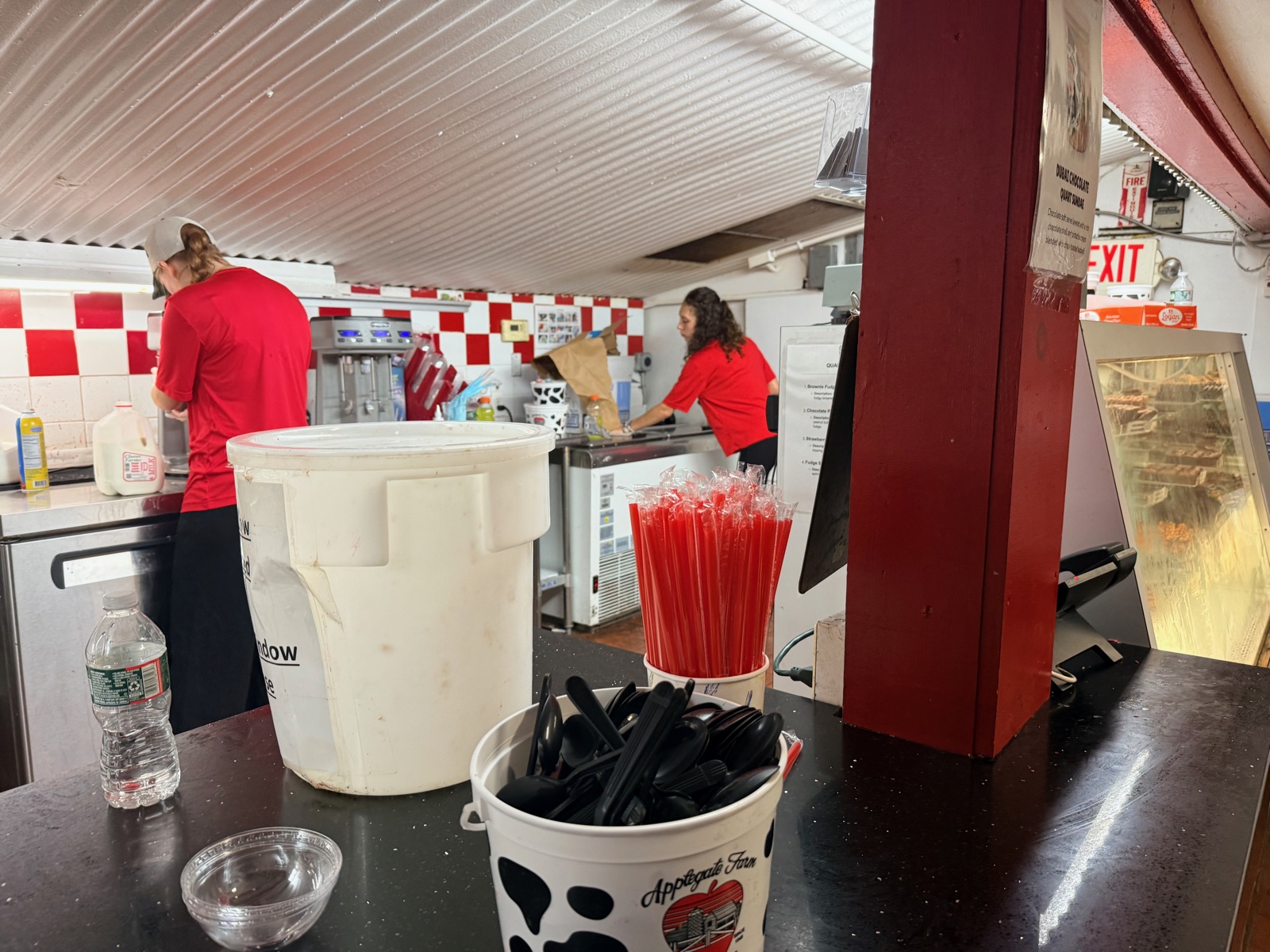
Applegate describes itself as serving the community since 1848. That long continuity, a place still drawing families generation after generation, felt like one more reminder that a business can become part of the identity of a community.
And there was something fitting about finishing the trip there.
I had gone hundreds of miles looking at schools, farms, and vineyards trying to understand what Sovereign Soil might become.
And I ended up almost home.
Maybe that was the lesson.
Ten labors became twelve
Hercules was given ten Labors.
Then ten became twelve.
Life added requirements.
Maybe mine will too.
Agriculture may be one labor. Education another. Building businesses another. Acquiring the land. Financing it. Developing infrastructure. Feeding people. Teaching children. Creating jobs. Building institutions. Developing housing. Building a community capable of surviving long after I am gone.
I do not know exactly how many labors Sovereign Soil will require.
I am increasingly convinced that I do not need to know.
I only need to know what the next one is.
Because Hercules did not complete twelve impossible tasks in a day.
He completed one.
Then another.
Then another.
Until eventually the impossible became his story.
So maybe I should not be saddened that Sovereign Soil does not exist yet.
Maybe I am simply somewhere between Labors.
And if history has taught me anything about my own dreams, it is this:
The ones that have not happened yet are not necessarily dead. I just have not entered that phase.
The land will come.
Then we’ll hit it.
Pun very much intended.
Follow the build. 🌱
Brian M. Forbes
Founder of Sovereign Soil Collective, a veteran-owned and Black-owned regenerative farm institution in New Jersey. U.S. Army veteran, federal healthcare executive, South Bronx-born, husband and father of four daughters. Writes as The Miseducated Blk Man.
About the founder Instagram